
Back Bay conditions
& safety factors
INFO HERE:
bulleted list. add illustrationsinfo here bulleted list. add illustrationsinfo here bulleted list. add illustrationsinfo here bulleted list. add illustrationsinfo here bulleted list. add illustrationsinfo here bulleted list. add illustrationsinfo here bulleted list. add illustrations
property policies
& etiquette
INFO HERE:
bulleted list. add illustrationsinfo here bulleted list. add illustrationsinfo here bulleted list. add illustrationsinfo here bulleted list. add illustrationsinfo here bulleted list. add illustrationsinfo here bulleted list. add illustrationsinfo here bulleted list. add illustrations
paddling
guide
INFO HERE:
bulleted list. add illustrationsinfo here bulleted list. add illustrationsinfo here bulleted list. add illustrationsinfo here bulleted list. add illustrationsinfo here bulleted list. add illustrationsinfo here bulleted list. add illustrationsinfo here bulleted list. add illustrations
#1 KEEPING A BOAT ON THE INLET
PROPERTY
Please use this online form to include your vessel in our databse / inventory,
It is crucial that you identify your boat with your name. and a current phone number. This info needs to be be applied to your boat permanently. Sharpie markers, paper stickers, tape are not viable.
Our suggestions: Vinyl letters + numbers, acrylic or enamel paint.
#2 POSITIONING YOUR BOAT ON THE INLET PROPERTY
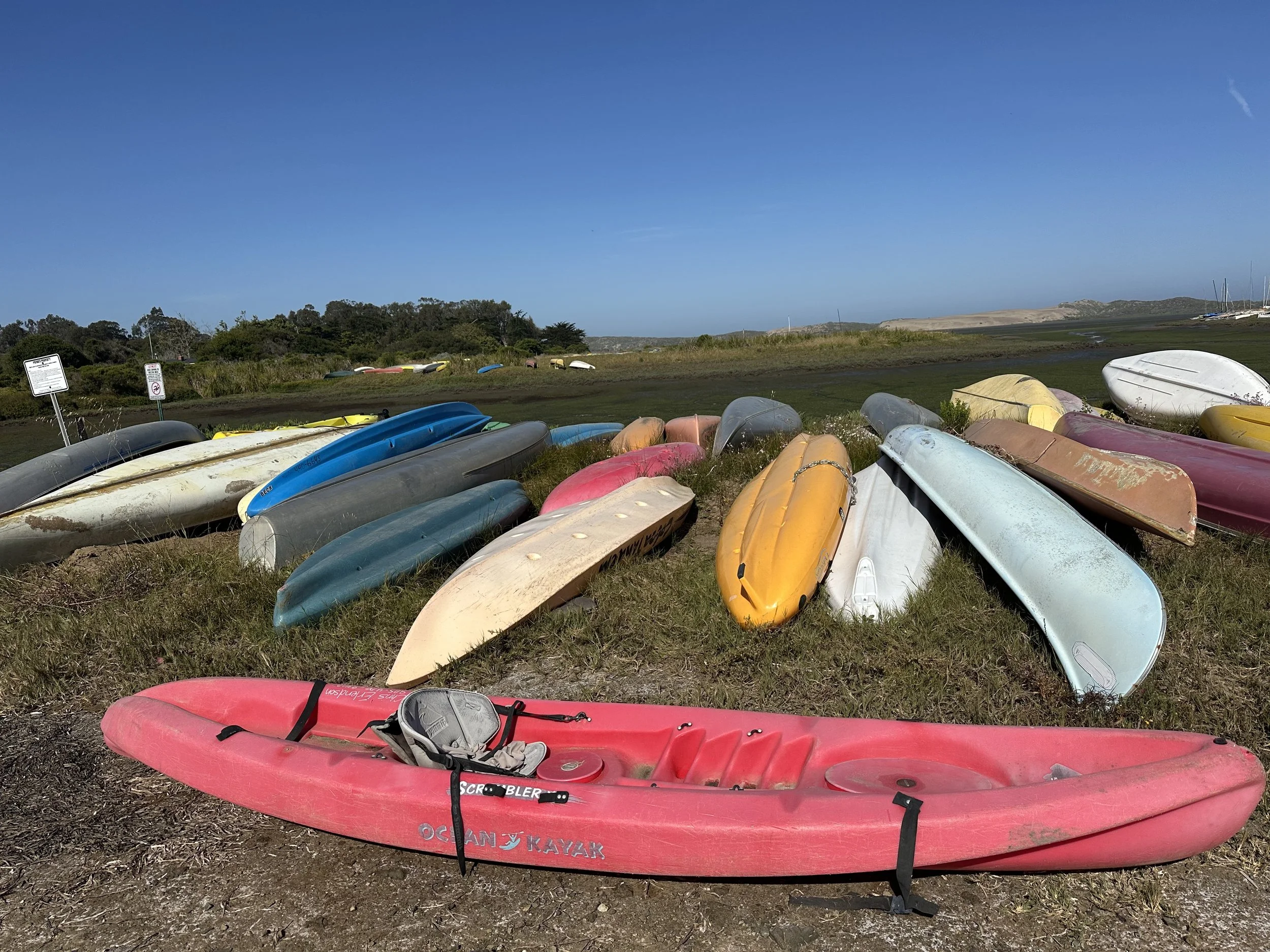
If you paddle kayaks or canoes, please park your vessel perpendicular to the shoreline, and in so doing, be mindful of your neighbor’s path to access the bay.
#3 BUG ALERT: CANOES, KAYAKS & DINGHYS
Mosquitos breed in standing water, Yiikes!! So please remember to flip your vessel over so it does not hold water.
canoes + kayaks infopaddling info example
things to have in your vessel
pfd
sponge
line
water
snacks
towel
tidal info links to tide charts etc
how to paddle links to kayaking canoeing sites tutorials
Safe paddling in Los Osos / Baywood Park (Morro Bay southern estuary) requires wearing a properly fitted U.S. Coast Guard-approved PFD (life jacket), checking local winds and tides before launch, and staying clear of the main boat navigation channels.
Essential Gear & Regulations
Life Jackets: Must be Coast Guard-approved and worn at all times, especially recommended for all paddle sports.
Sound Device: Carry an attached whistle or horn to signal other watercraft.
Leashes: Use an ankle or calf leash for stand-up paddleboarding (SUP) so you do not get separated from your board.
Visibility: Wear bright clothing and carry a white light/flashlight if out near dusk or dawn.
Estuary Conditions & Weather
Tides & Currents: Tidal changes create strong water movement through the back bay channels. Plan your trip around the tides to avoid getting stranded in the mudflats.
Wind: Afternoon winds often pick up strongly from the northwest. Check forecasts on sites like Windfinder or local weather channels, and avoid paddling out in strong offshore or cross winds that push you away from shore.
Wildlife Distance: Maintain a safe distance (at least 100 yards) from marine mammals like sea otters, seals, and occasional whales per NOAA guidelines.
Important Cuesta Inlet Safety Factors
High Tide Only: You must launch and return during high tide (ideally a tide above +4 feet). At low tide, the entire inlet turns into deep, impassable mudflats that can leave you stranded.
Headwind Return: The prevailing afternoon wind blows strongly from the northwest, directly opposing your path when paddling back east into the narrow Cuesta channel. Save plenty of energy for a strenuous paddle back to your vehicle.
Shallow Mixing: The back bay has minimal water turnover and shallow depths, meaning water quality drops significantly after rainstorms; avoid contact with the water for 72 hours post-rain
sailboats + dinghyssailing info example
things to have in your sailing vessel
pfd
compass
sponge
line
water
snacks
towel
how to sailing sites
tutorials