
Huge news: Cuesta Inlet is officially saved and secured for all of us!
Cheers to the walkers, paddlers, sailors, birdwatchers, and every friendly neighbor in between—may our inlet adventures never end!
The Community Has Weighed In:
Thank you to everyone who took the time to share your voice. Between early April and today, 500 community members responded to our survey about Cuesta Inlet — its current use, what matters most to you, and how you'd like to see it cared for in the years ahead. This summary reflects what you told us, in your own words wherever possible.
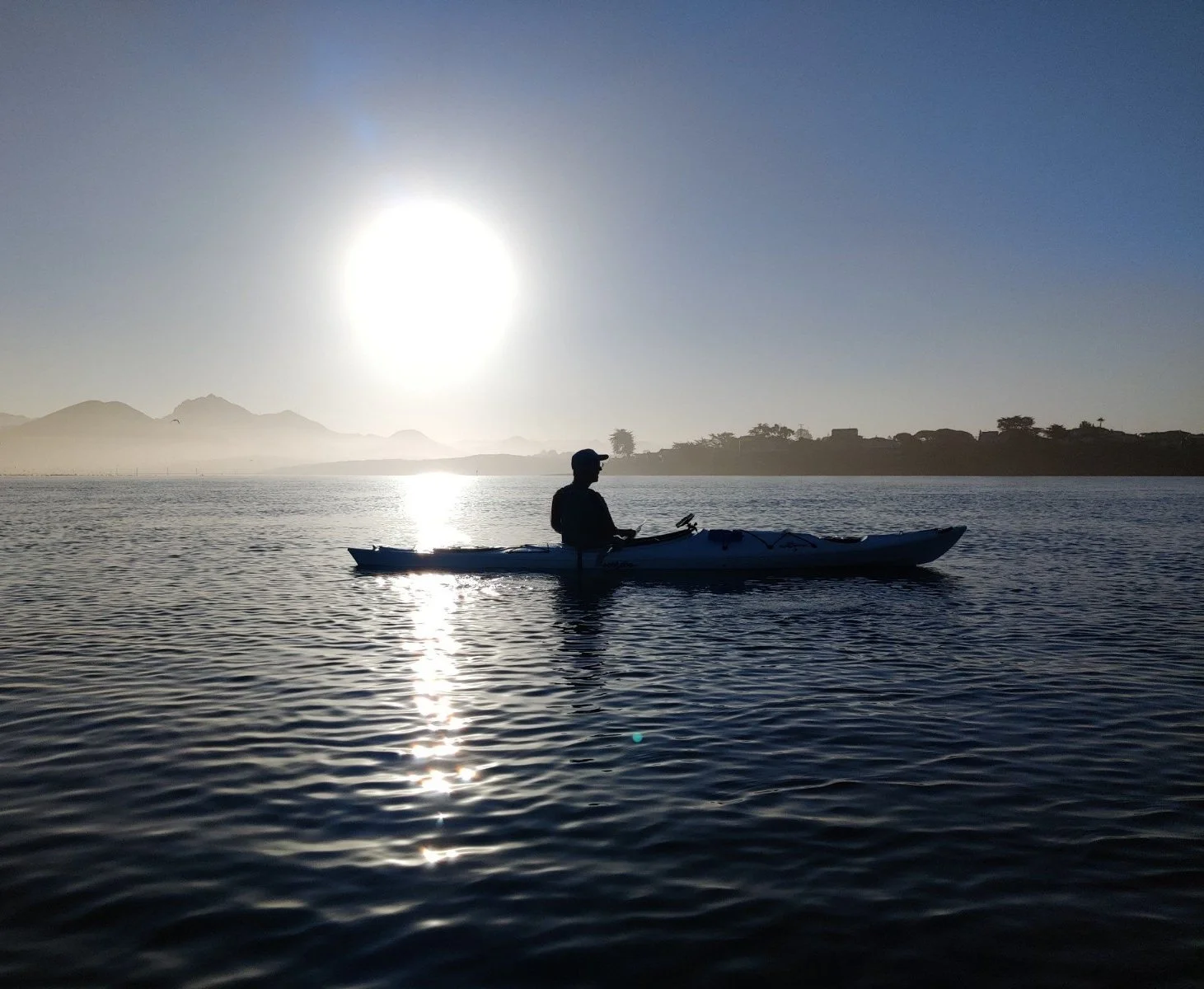
PHOTOGRAPH BY MICHAEL SHELTZER2026 COMMUNITY SURVEY
Who Responded
Total responses: 500
From the local area (93402): 87%
The remaining responses came from nearby communities and a small number of former residents who have moved away but stay connected to the Inlet.
How often do you visit?
Weekly: 36%
Monthly: 20%
Daily: 16%
A few times a year/ seasonally: 21%
Boat use at the Inlet
Don’t use a boat on the Inlet: 51%
Keep a boat at the Inlet full-time: 21%
Keep a boat elsewhere; bring it to the Inlet occasionally: 18%
What the Community Values Most
Three themes came up again and again, often in the same breath: quiet natural beauty, a genuine sense of community ownership, and easy access to the water. Many respondents described the Inlet less as a park and more as a shared backyard — a rare stretch of open, undeveloped coastline within walking distance of home.
“It's our town square.”
“A magical place in our neighborhood that allows us to connect with nature in a wide variety of ways.”
“Open coastal space to enjoy without overreaching regulation — it's everybody's, without drama, supported by good community stewardship.”
How important are these activities to you?
Walking, quiet reflection, and birdwatching led the list — reinforcing that most people come to the Inlet for calm and natural connection, even those who also boat or gather there.
Walking/ Running: 63%
Quiet Reflection: 51%
Birdwatching/ Nature Observation: 49%
Launching boats: 44%
Dog walking: 39%
Photography /Art: 29%
Gathering with others: 22%
What You'd Like to See Change
Out of 433 responses to this question, a few themes stood out clearly:
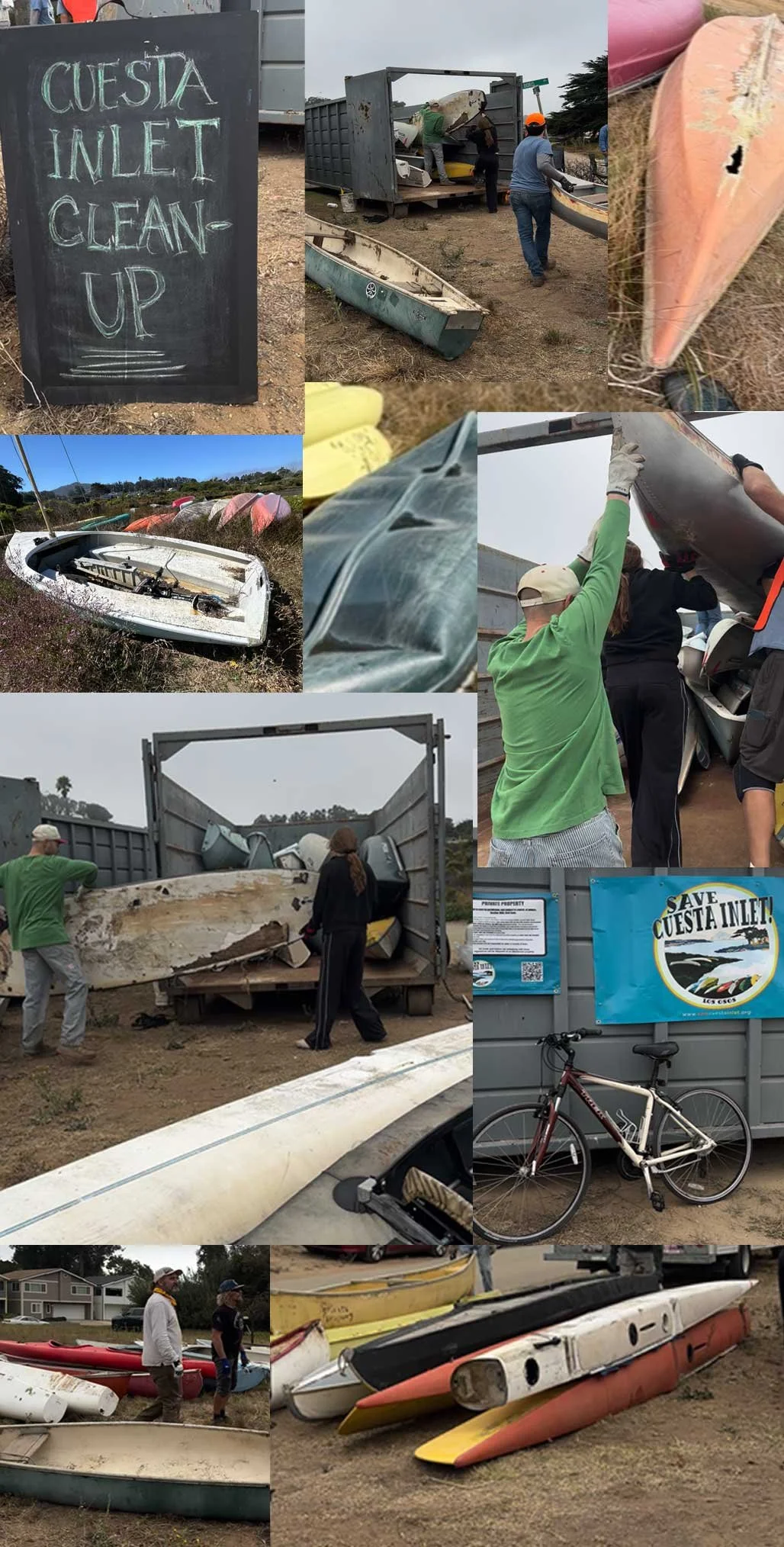
Derelict and abandoned boats (mentioned by roughly 1 in 8 respondents) — the most common single concern. Many boat owners themselves called for a cleanup, alongside some form of registration or light fee to keep the shoreline from becoming a dumping ground.
Off-leash dogs and dog waste — raised by about 10% of respondents, ranging from waste station requests to safety concerns about unleashed dogs near families and other pets.
Invasive plants (pampas grass, ice plant) — removal and replacement with native species came up frequently, often paired with the 15-year vision below.
Access and pathways — requests for slightly wider or better-defined paths, while keeping them unpaved and rustic.
A meaningful share — roughly 14% — said they wouldn't change a thing, describing the Inlet as “perfect the way it is.”
Community Ideas: Support Levels
We shared several improvement ideas that have come up in community conversation. We don't endorse any of them outright — this is simply what you told us:
Benches: 76% Support 10% Oppose
Trash Cans: 63% Support 19% Oppose
Kayak / Canoe Ramp: 55% Support 18% Oppose
Picnic Tables: 47% Support 27% Oppose
Interpretive Signs: 39% Support 25% Oppose
Entrance Signage: 39% Support 28% Oppose
Boardwalks: 31% Support 42% Oppose
Benches and trash cans drew the broadest support — small, low-impact additions. Boardwalks were the only idea where opposition outweighed support, consistent with the strong preference (observed throughout the survey) for keeping the Inlet's rustic, undeveloped character intact.
The 15-Year Vision
More than half of respondents (54%) explicitly said they want the Inlet to look largely the same in 15 years as it does today — wild, natural, and free of heavy development. Where people did want change, it clustered around cleanup and restoration rather than new construction: fewer derelict boats, native plants instead of invasive ones, and better care for what's already there.
“Stay wild & stay the same — don't make it a city park.”
“Well preserved and full of wild animal life, a healthy ecosystem.”
“70% reduction in boats and a boat parking area. Invasive plants removed and replaced with native plants.”
Staying Involved
57% of respondents would like to receive updates
30% would like to volunteer for special projects
14% not interested in involvement at this time
Nearly 1 in 3 respondents actively want to volunteer — a strong base to draw on for cleanup days, restoration projects, or community stewardship events.
In Summary
This community loves Cuesta Inlet largely as it already is. The clearest mandate from this survey isn't for new amenities — it's for care, cleaning up derelict boats, managing dog waste and off-leash behavior, and replacing invasive plants with native ones. Modest, low-impact additions like benches and trash cans have broad support, while larger infrastructure like boardwalks does not. And with nearly a third of respondents ready to volunteer, there's real momentum to channel into hands-on stewardship.